
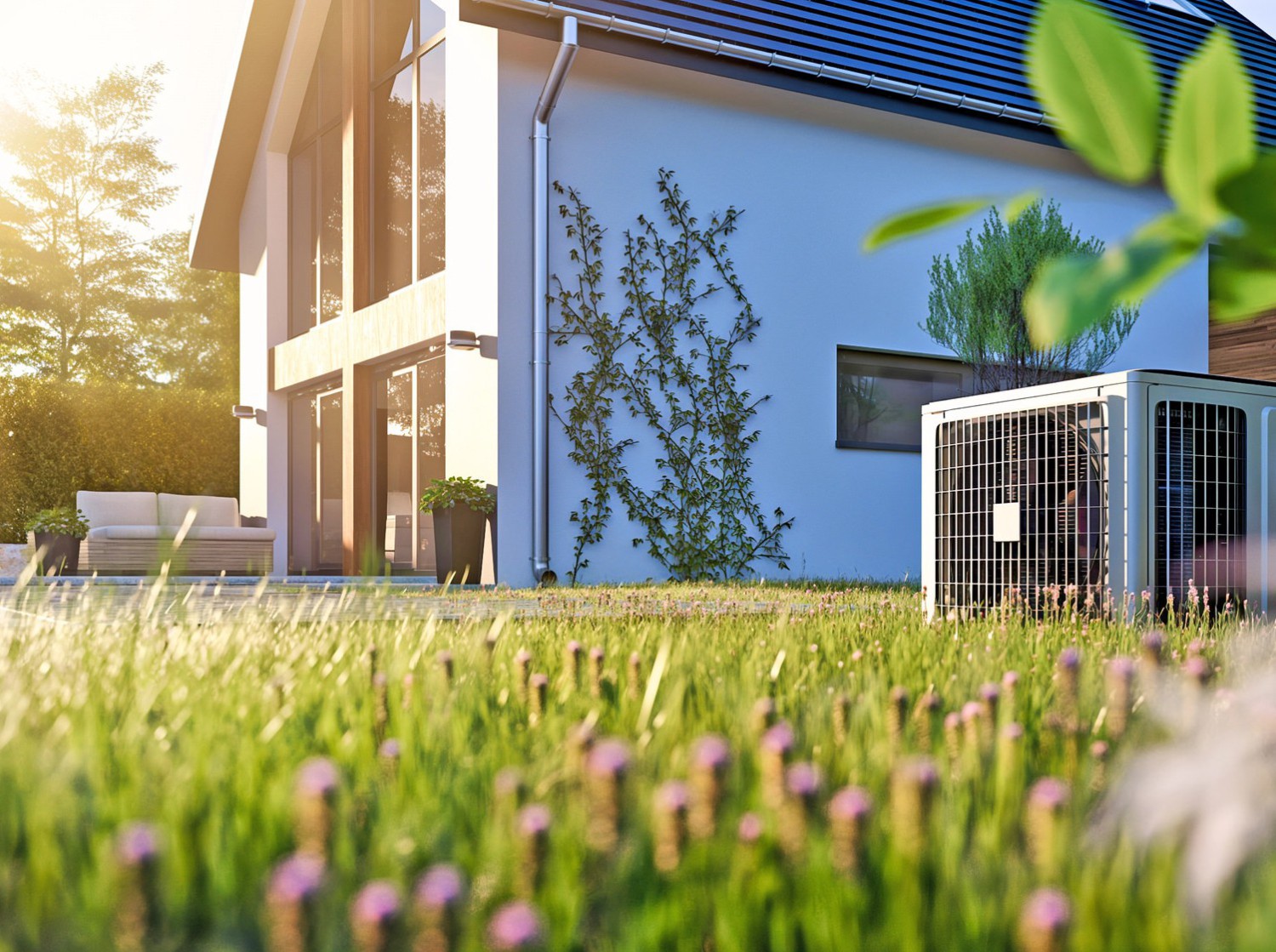
The real estate sector is constantly evolving. In Québec, this change is driven by our climate, our legislation, and economic factors.
The result: the emergence of real, sometimes discreet, innovations that are revolutionizing how we buy, sell, and live in our homes.
1. AI-Supported Decision-Making
It’s no secret that artificial intelligence (AI) is everywhere now!
And the same goes for the real estate sector.
Although its use has not yet reached public awareness, this technology is already fully integrated into the tools many real estate brokers and financial institutions rely on, as well as certain platforms like Centris.
Of course, nothing replaces human expertise, but AI can help
- estimate a property’s value based on recent comparable sales and market data;
- analyze patterns in a particular area (prices, average time on the market, desirability);
- identify market signals that pinpoint the best moment to buy or sell.
These insights mean buyers can make better-informed decisions and sellers can adapt their strategy to maximize profits.
2. Virtual Visits and Inspiration Photos
Virtual viewing technology has evolved by leaps and bounds in recent years.
This includes immersive 3D viewings, interactive floor plans, and virtual home staging.
In everyday terms, a buyer can “visit” several properties in a single day from the comfort of their own home or their broker’s office.
Sellers can now also add AI-generated photos showing decor possibilities to the property listing, a practical way of inspiring potential buyers, especially if the property contains one or more empty rooms.
3. Smart Homes… Made for Québec
“Smart homes” are no longer confined to futuristic films.
Homes across Québec are now integrating a range of technologies. These include smart thermostats that adjust the heat settings according to household habits and peak periods, leak detectors installed near high-risk zones, automatic shutoff valves that cut off the water supply in the event of a leak, programmable lighting systems to mimic the presence of people or reduce electricity use, keyless electronic locks, as well as energy monitoring aids that allow you to track your consumption in real time and quickly identify areas of waste.
In fact, buyers are increasingly keen to purchase smart homes.
4. Innovations… in Financing
Innovation isn’t limited to buildings themselves. It also extends to how property purchases are financed.
Buyers now have access to:
- very advanced simulation software;
- strategies combining a buyer’s RRSP, TFSA and down payment;
- greater flexibility for the self-employed.
At a time of fluctuating interest rates, these tools play a vital role in avoiding unpleasant surprises… and maximizing your purchasing power.
5. A New Approach to Property Development
Innovation extends to the very way projects are planned.
Urban planners are increasingly emphasizing transit-oriented developments (REM, trains, public transit), as well as projects that combine local shops, community-based services, and green spaces. Additionally, a shift towards smaller, but better designed dwellings (to limit urban sprawl) is occurring.
This reality reflects the fact that buyers are no longer just looking for a house but for a lifestyle.
6. Houses That Are Now Greener and More Energy-Efficient
In Québec, reducing housing’s environmental impact goes beyond simply being “green”: it means embracing practical techniques and technologies that maximize efficiency and sustainability in a challenging climate.
Properties are increasingly integrating features such as improved building envelope insulation, energy-efficient windows, optimized heating systems, and more durable materials that require less maintenance over the years.
Some buildings are designed to attain Novoclimat or LEED certification. But even at a more modest scale, many upgrades are steadily becoming standard practice.
In short: more comfortable homes, lower heating costs, and greater appeal for potential buyers (a significant advantage in a market where buyers are growing more sensitive to energy costs).
There is so much inspiring innovation in Québec’s real estate sector! What does the future hold?